Aman Tokyo vs Mandarin Oriental Tokyo

I've stayed at both. One changed how I travel. The other was a beautifully designed room I where I didn’t care to stay.

Tokyo has a problem. Not the city — the city is nearly perfect. The problem is that it has two of the most discussed luxury hotels in the world sitting a few miles apart, and every traveler eventually ends up asking the same question: which one?

The Aman Tokyo is the choice you make when you want to tell people you stayed at the Aman Tokyo. The Mandarin Oriental is the choice you make when you actually want to enjoy your stay. I say that having loved and defended the Aman brand for years — and I'd still visit another Aman property. But Tokyo specifically taught me something about what luxury hospitality is actually supposed to feel like.

Here's the honest breakdown, category by category..

THE ROOM

The Aman wins the room. The MO wins everything else.

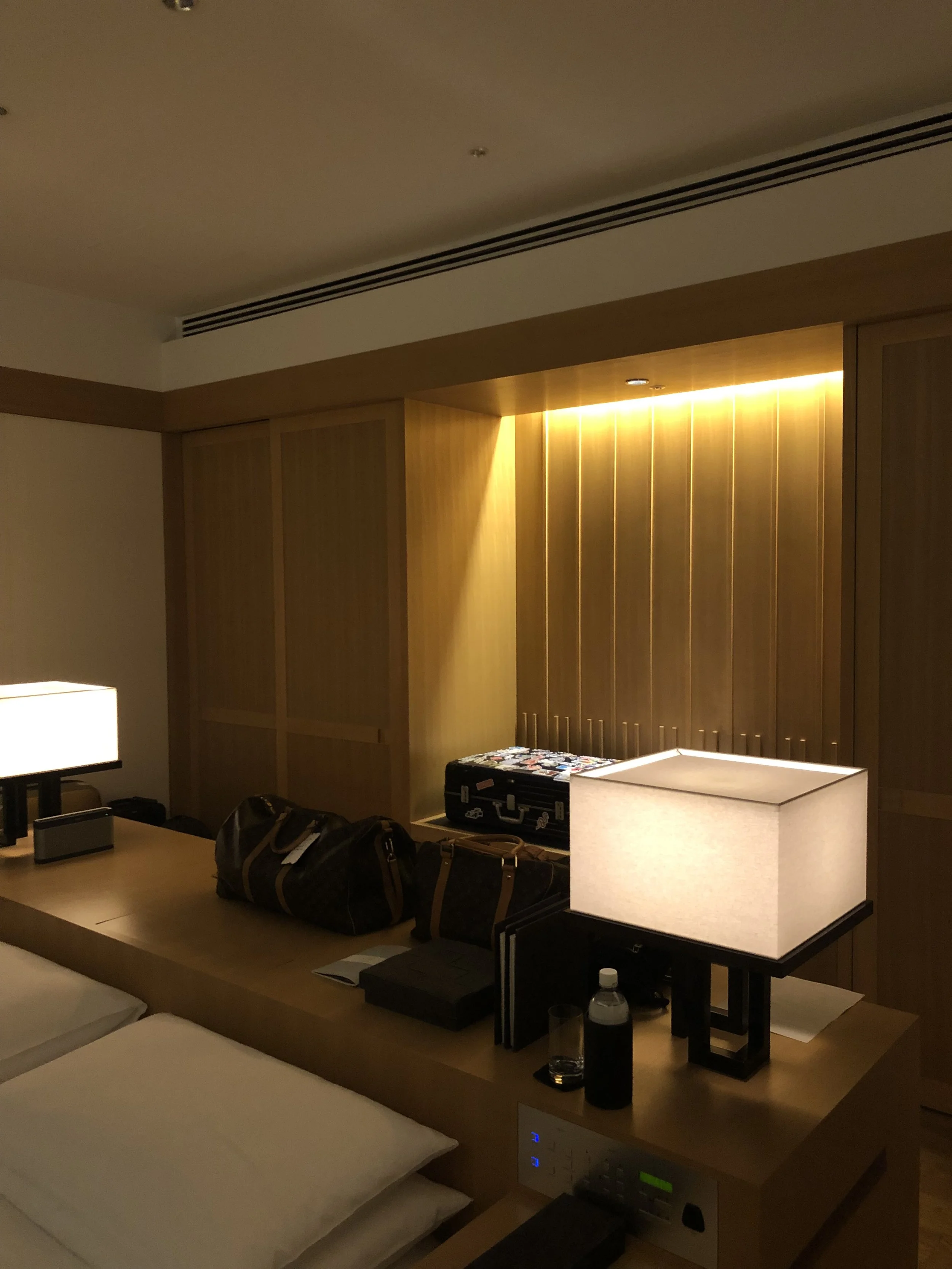
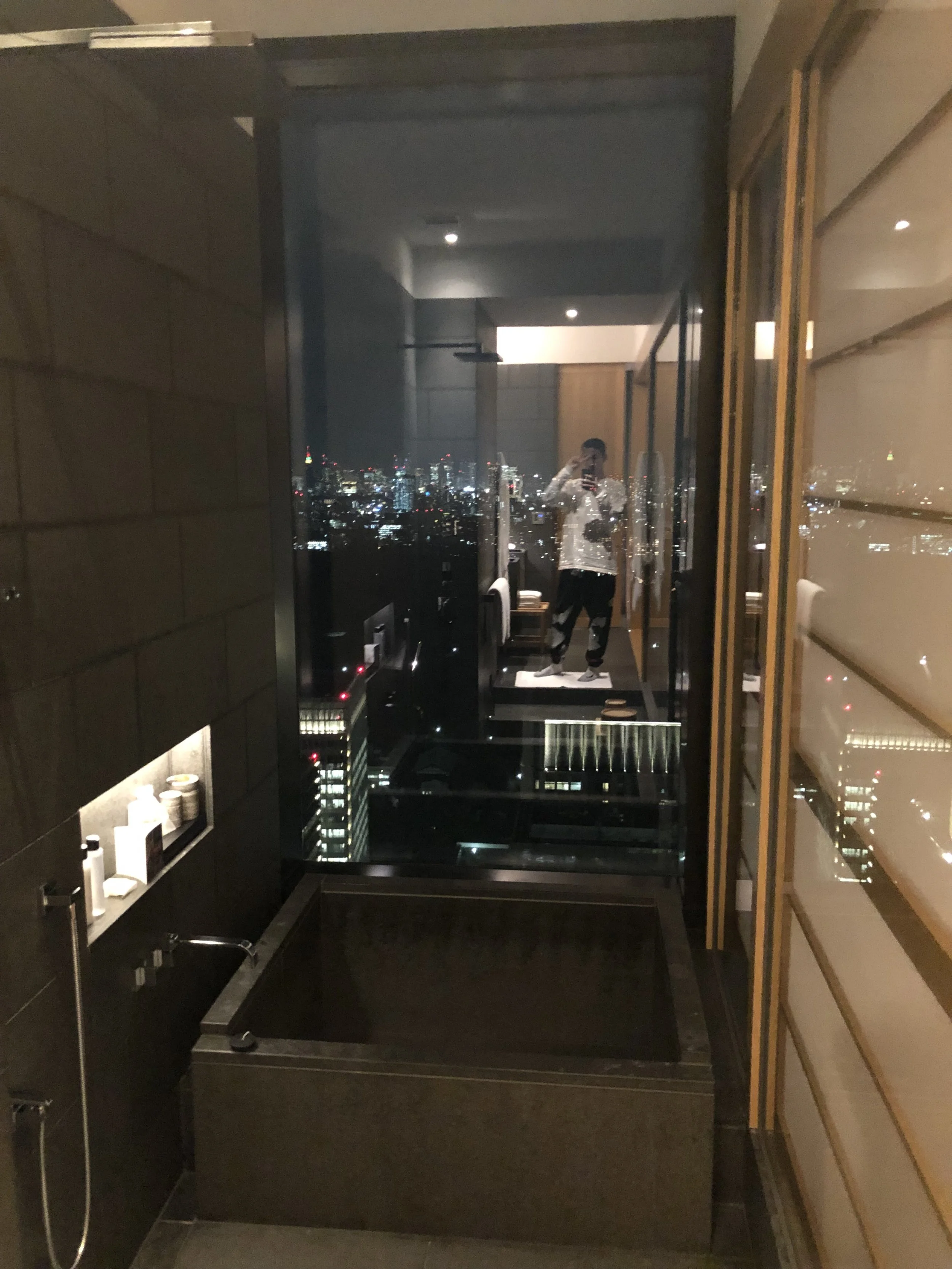
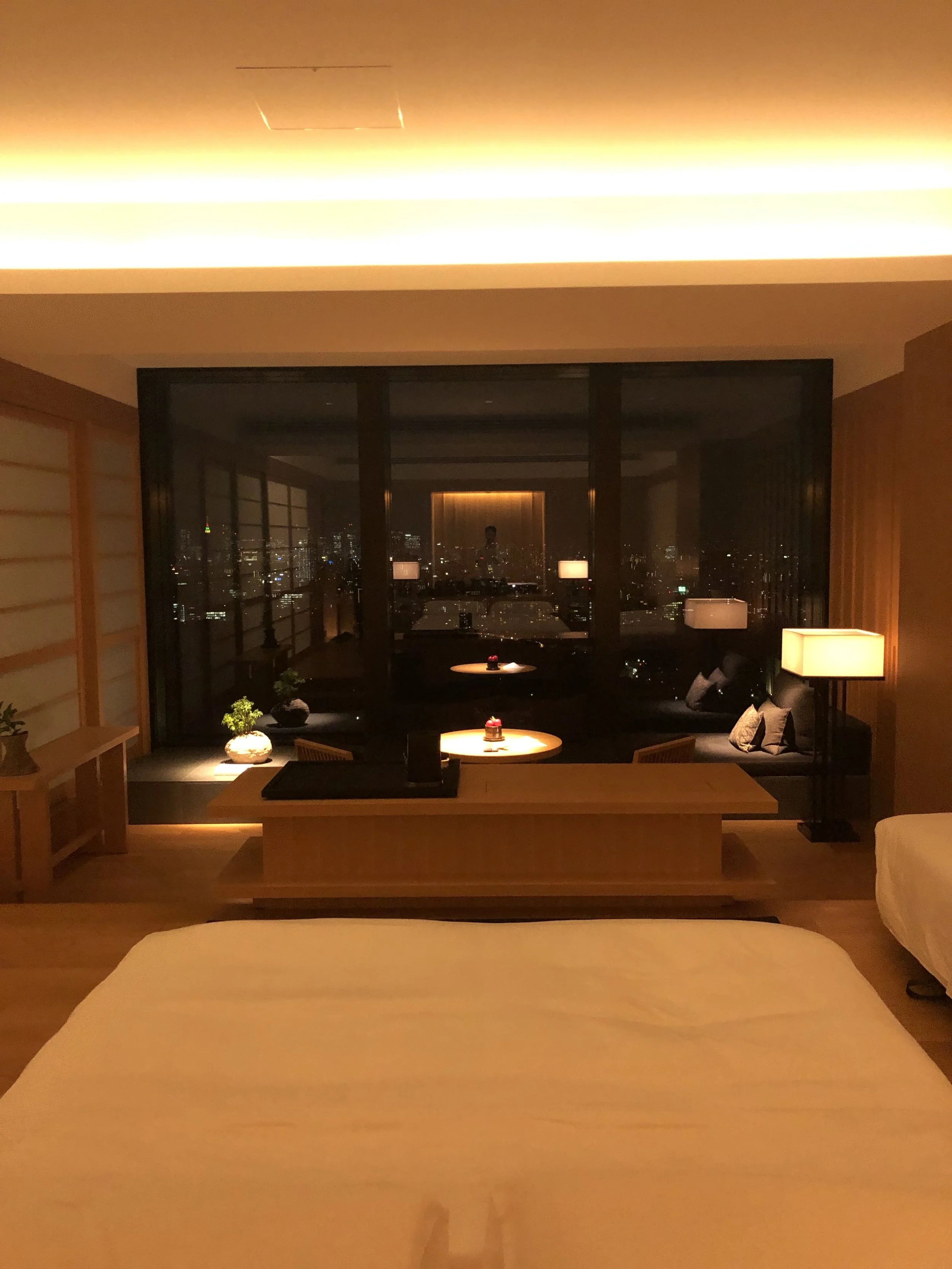
Let's give credit where it's due. The Aman Tokyo room is genuinely extraordinary. The washi paper screens, the spa-style soaking tub, the scale of the space — you feel the deliberateness in every detail. Our room overlooked the Imperial Palace Gardens, which on a clear morning is one of the more quietly stunning views you can wake up to in this city. If you care about interior design, the Aman will hold your attention for four nights. The finishes are gorgeous.

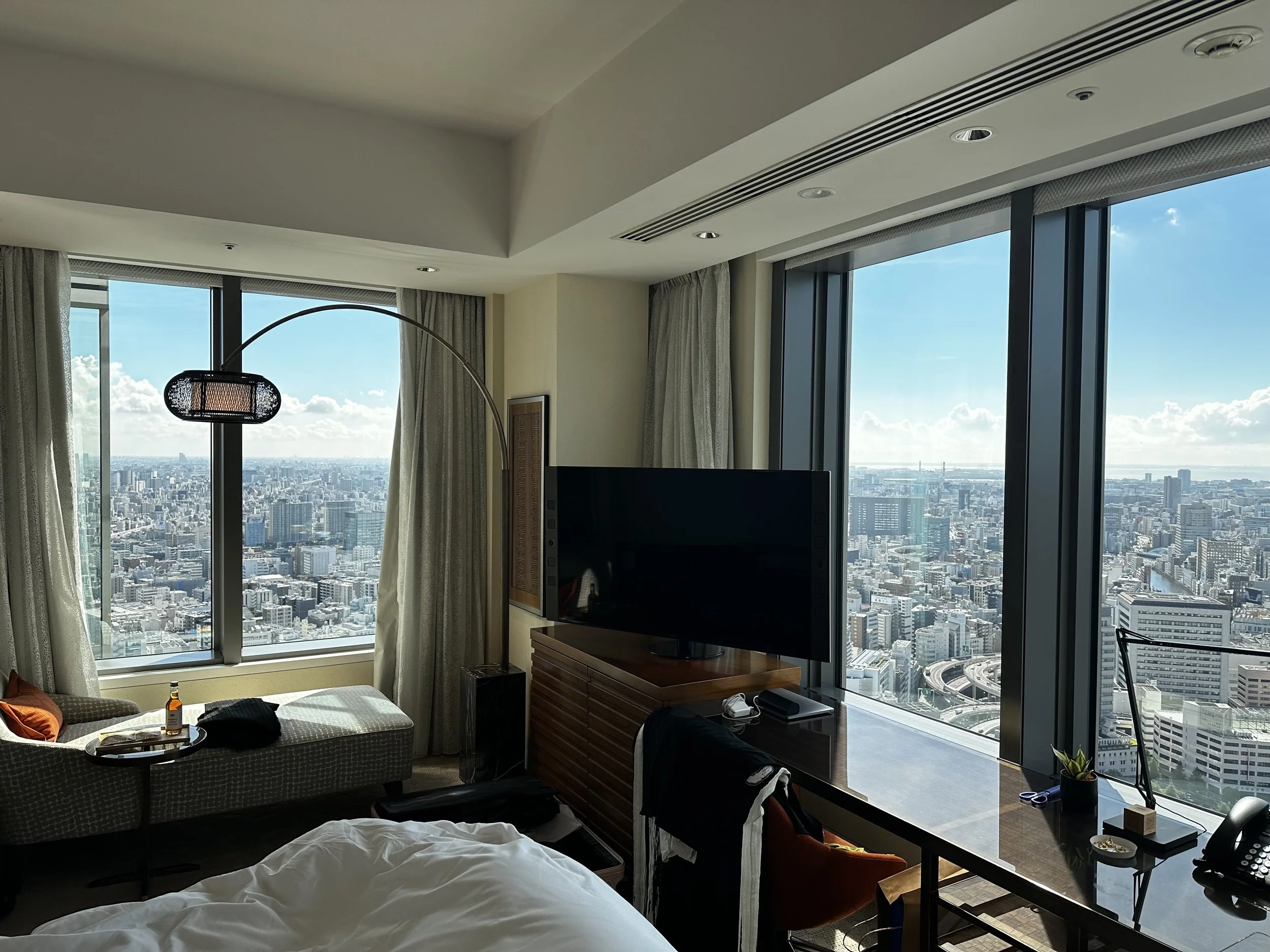
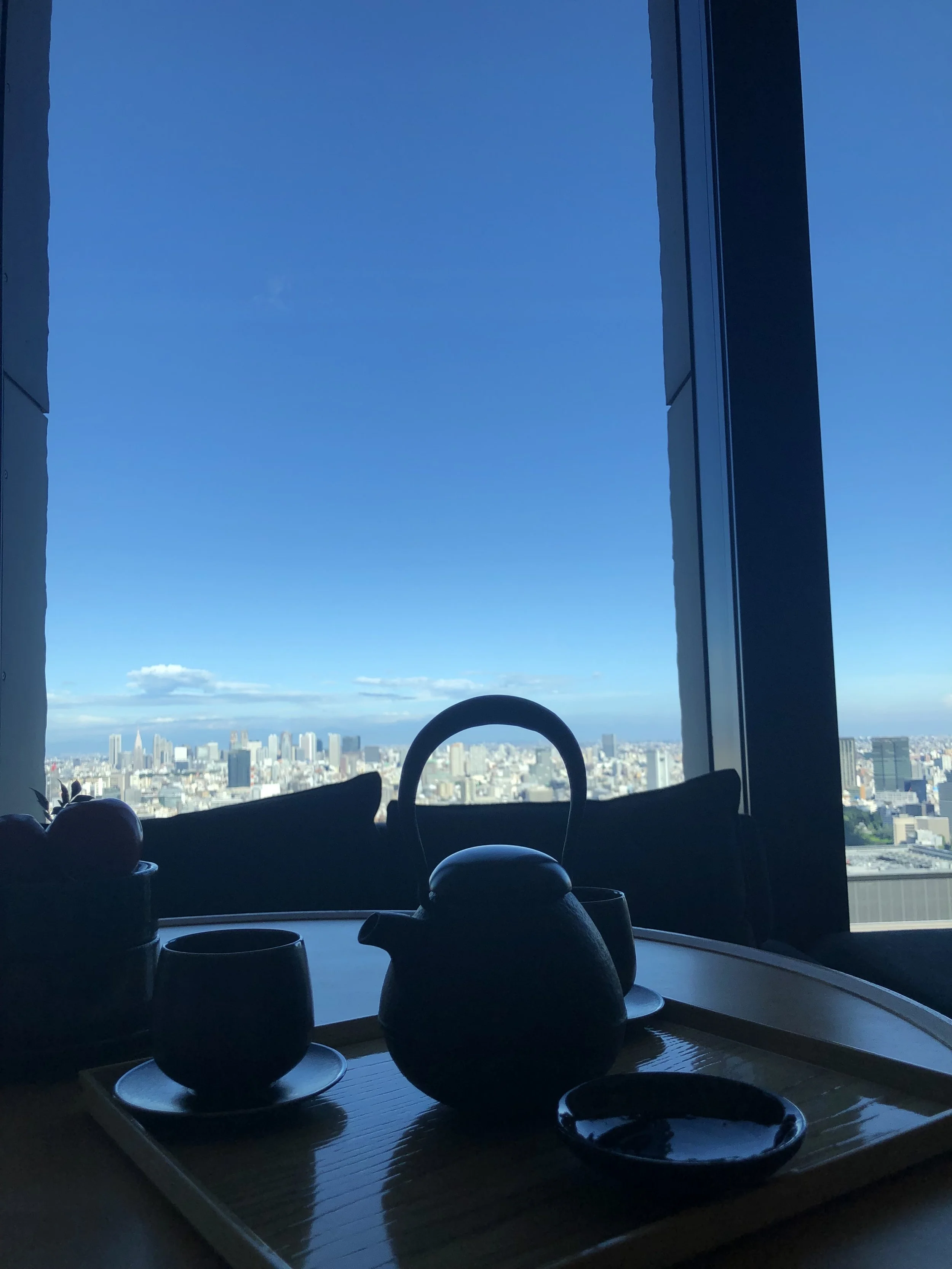
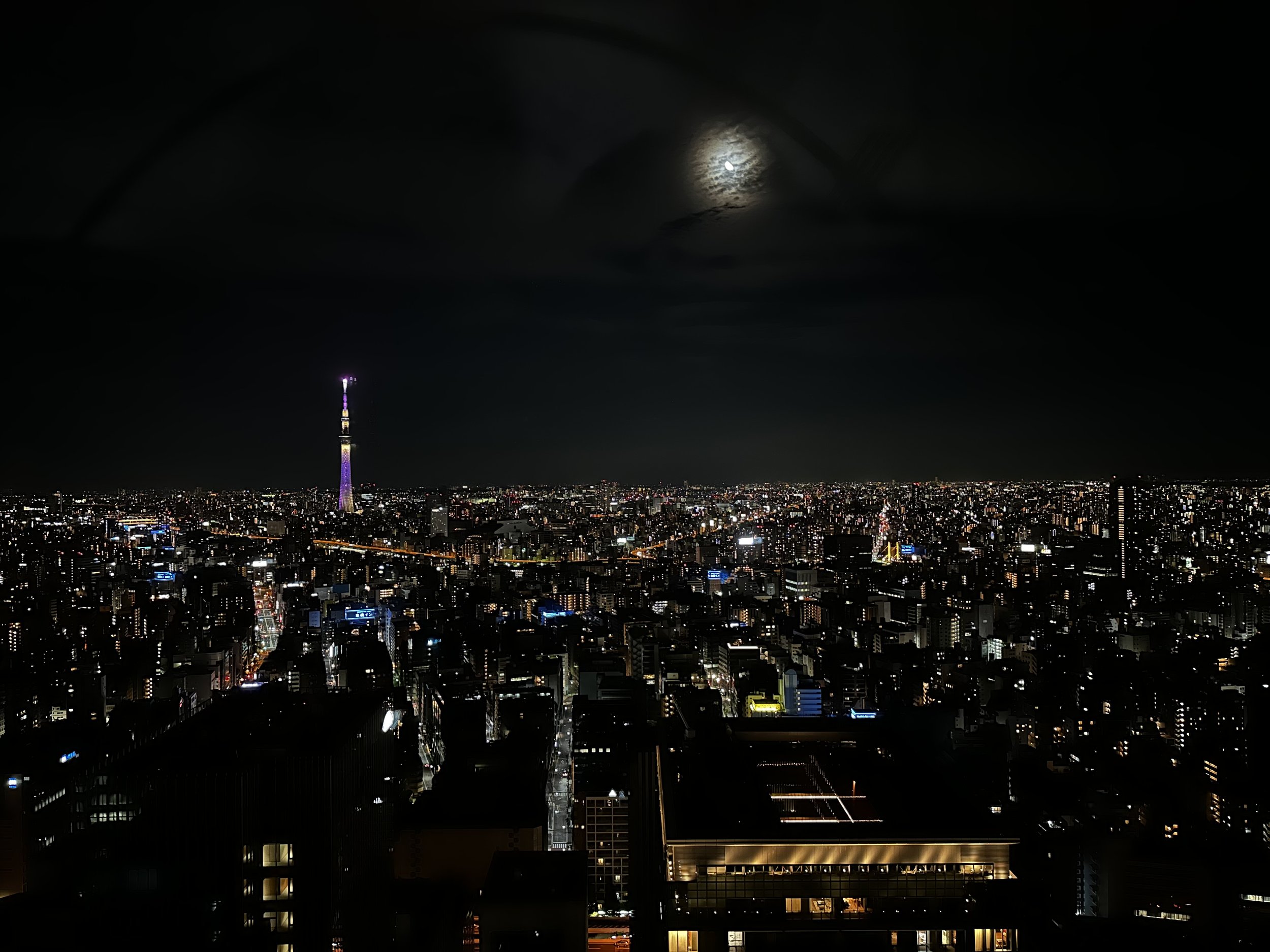
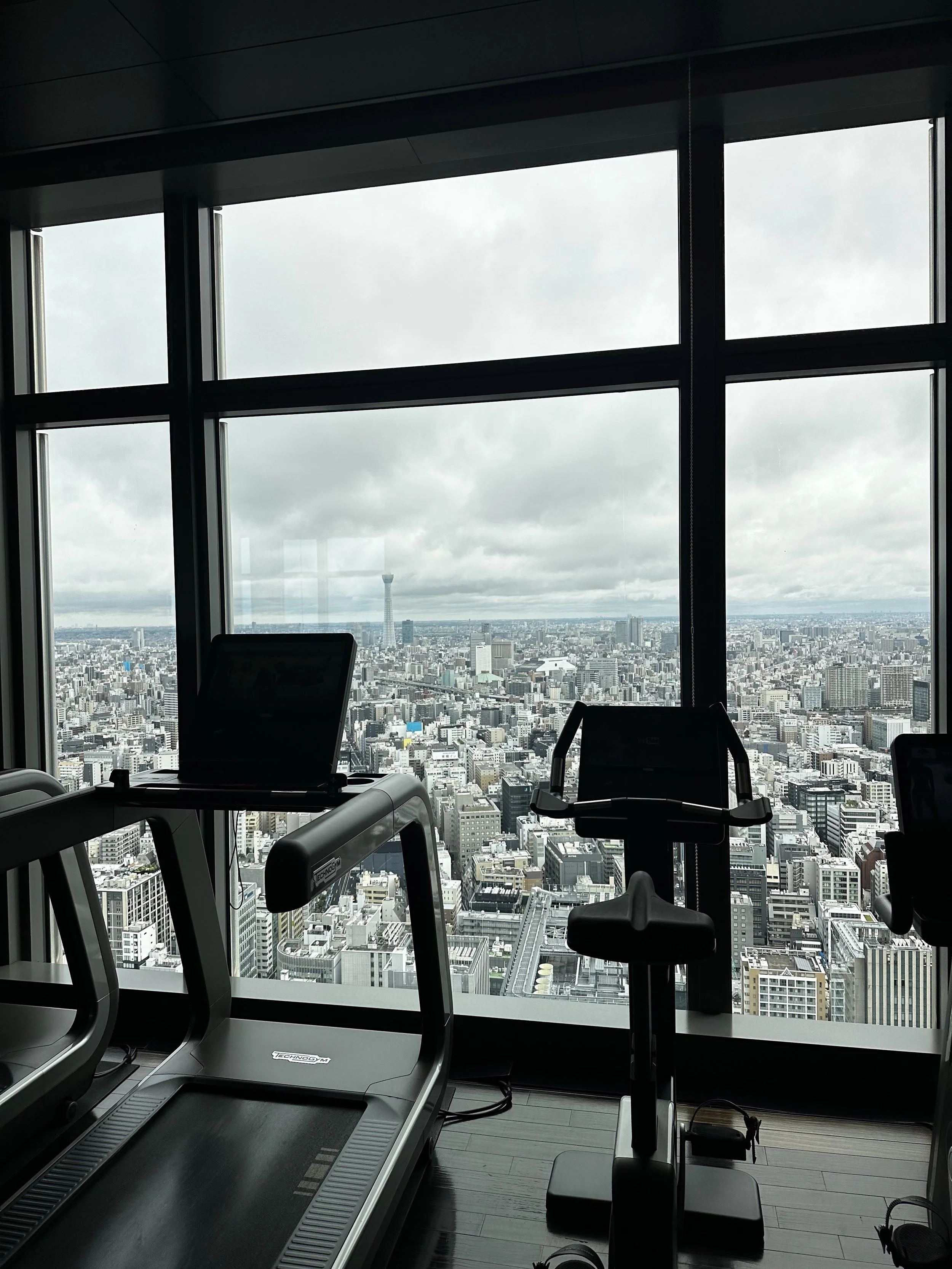
The Mandarin Oriental rooms, by comparison, are starting to show their age. The design is more conventional, the footprint more standard. There is a renovation conversation waiting to happen there. But our corner room at the MO came with floor-to-ceiling windows framing the Tokyo Skytree and the full spread of the Tokyo skyline — and that view, from morning light through to the city illuminated at night, never got old across six nights. They also offer a pillow menu, which sounds like a minor detail until you're sleeping better than you have in years.

The Aman room is a design object. The MO room is a place you live in for a week and don't want to leave.

The Aman room is a design object. The MO room is a place you live in for a week and don’t want to leave.
THE LOBBY AND ARRIVAL

Two trees. Two completely different feelings.

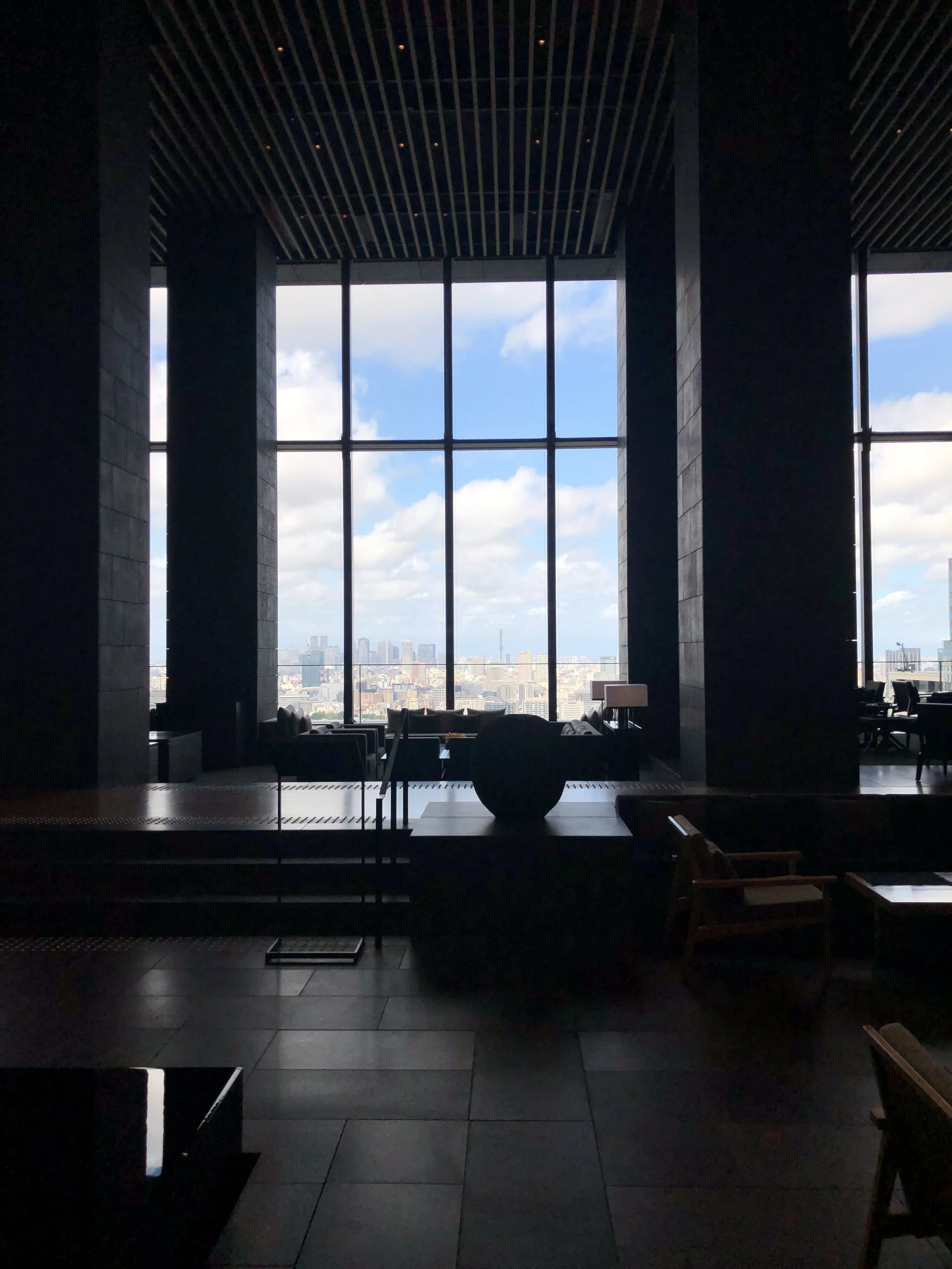
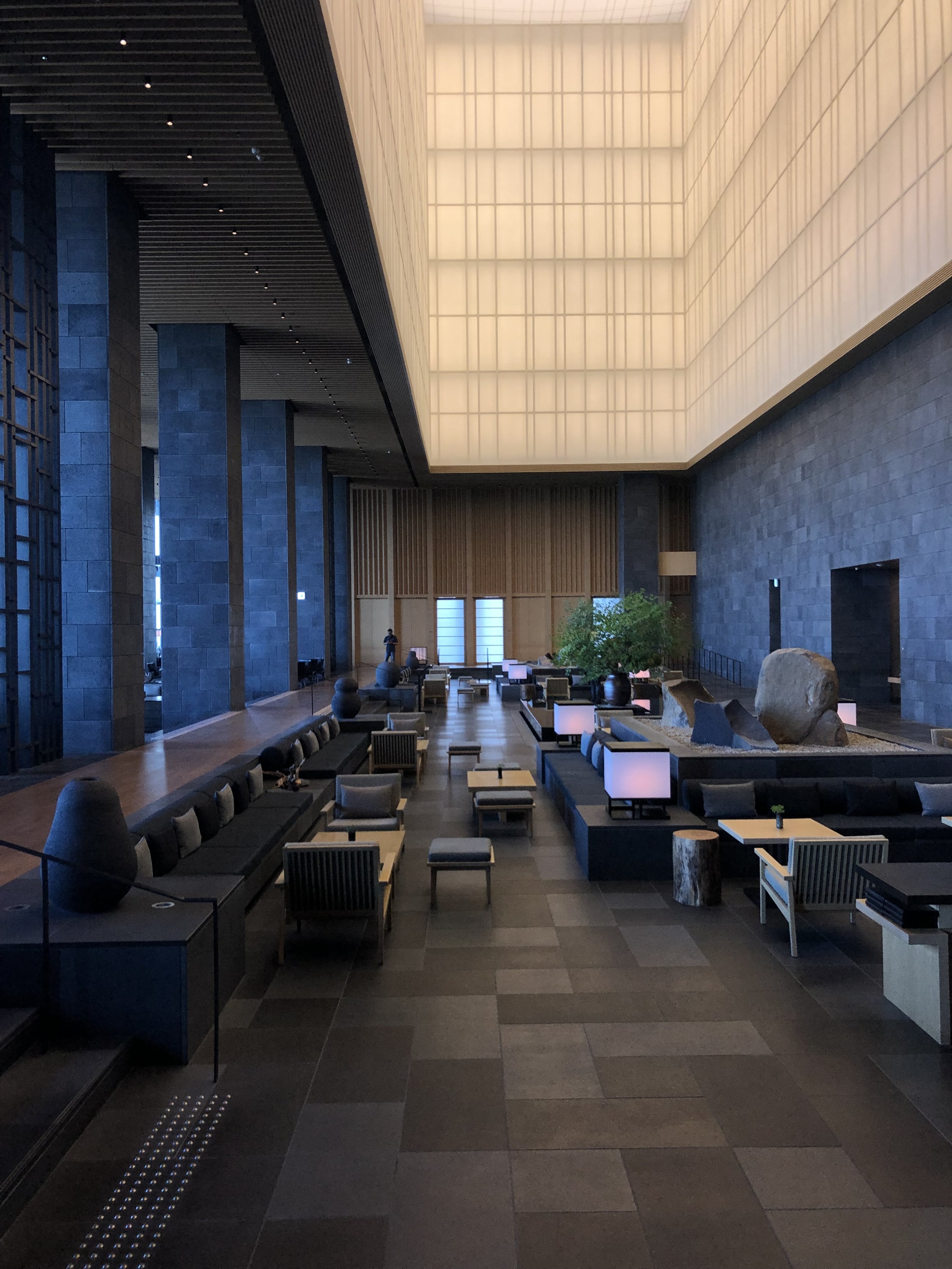
Both hotels occupy the upper floors of their respective towers, and both have made a statement of their lobbies. The Aman greets you with a double-height space built in dark volcanic stone — a single living tree rising from a black reflecting pool, glowing skylight panels above, everything hushed and deliberately still. At night especially, it photographs beautifully. The intention is serenity. The execution is cold.

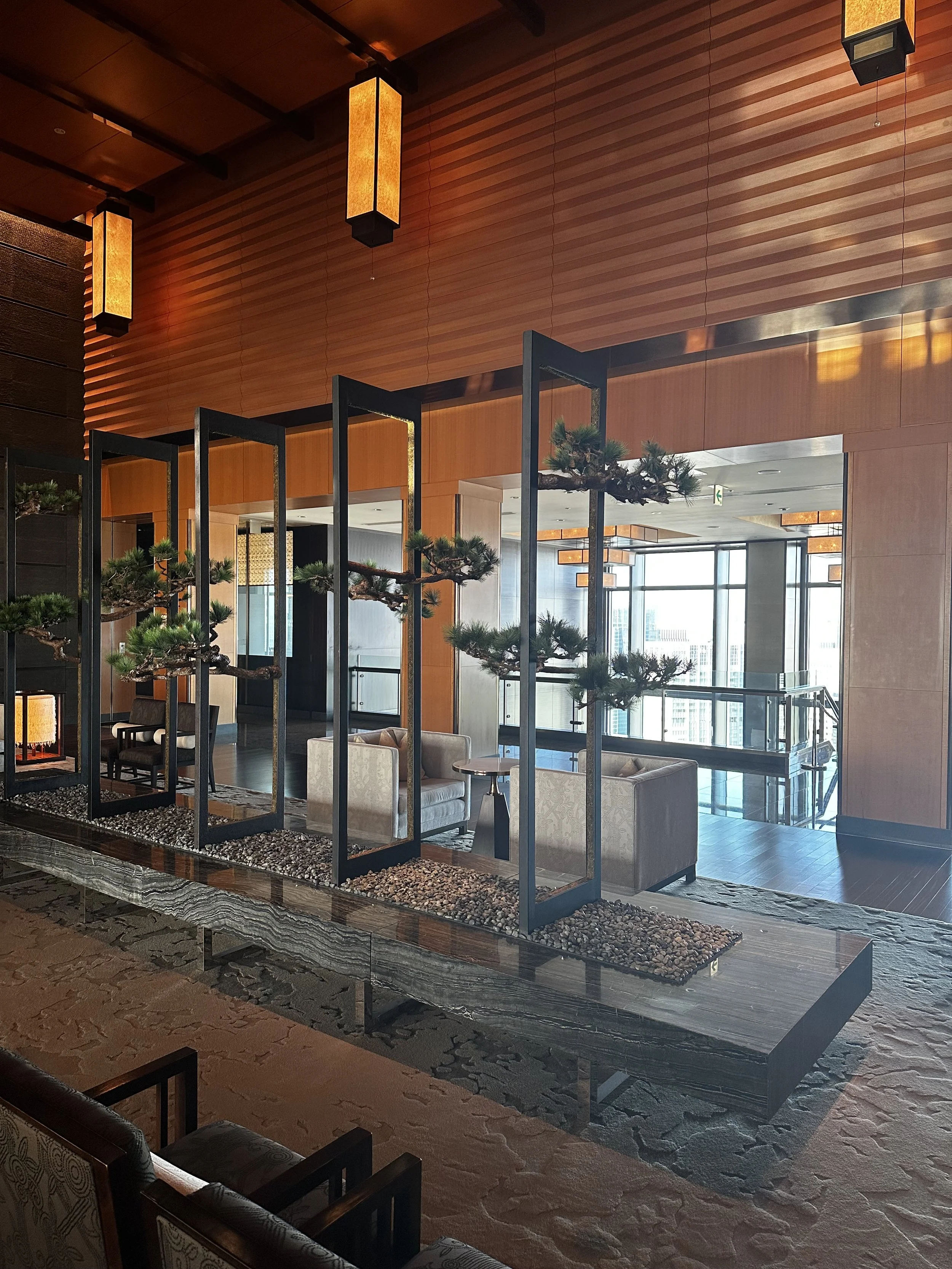
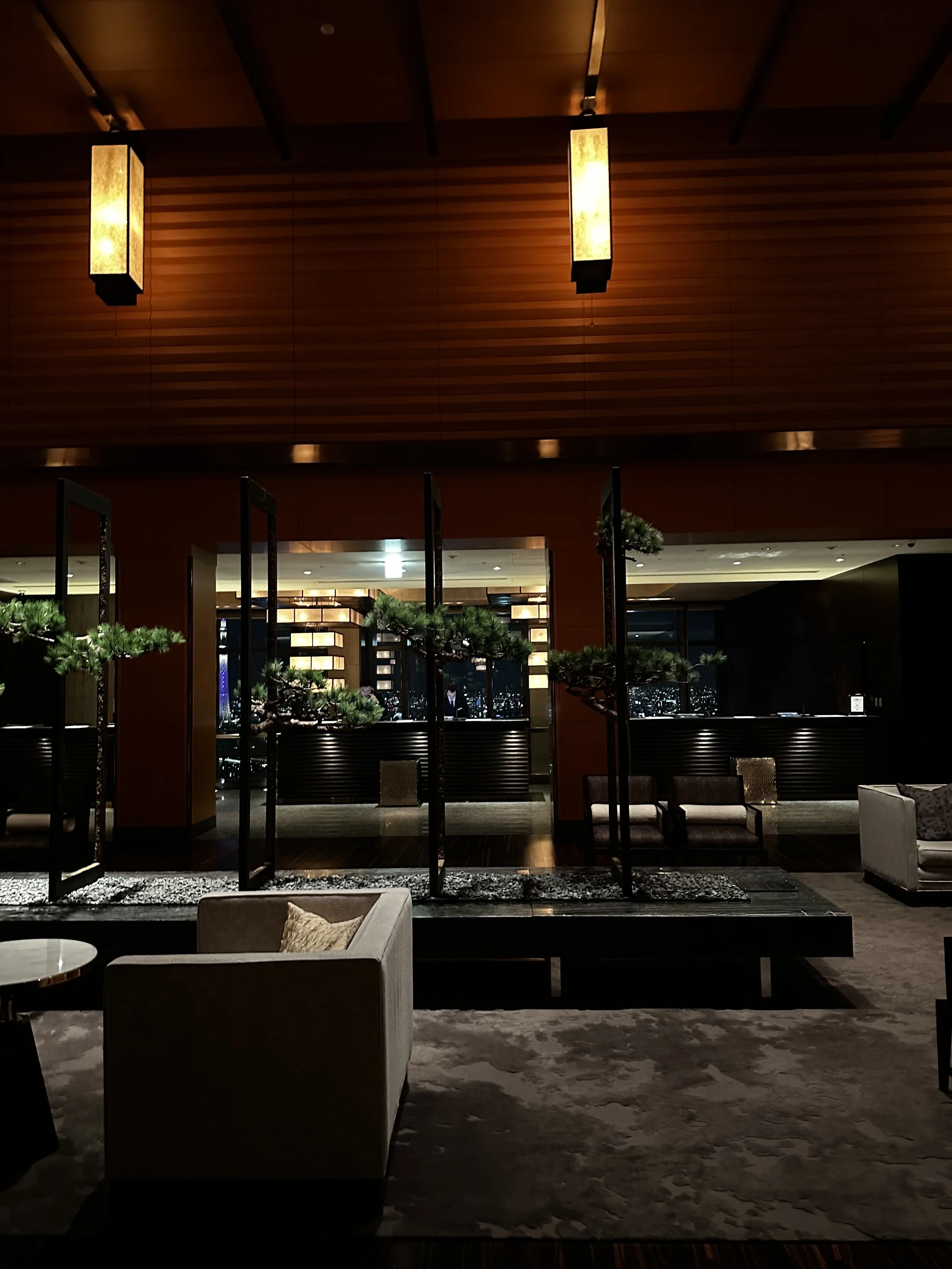
The Mandarin Oriental lobby is warm in every sense of the word. The wood paneling, the amber lantern light, the bonsai trees displayed in glass frames along the room's spine — it reads as genuinely Japanese without feeling like a theme park version of it. And critically, the space opens to nearly 360-degree views of Tokyo. You walk off the elevator and the city is laid out in front of you. On our first arrival in 2023, a staff member at check-in pointed out a full moon hanging over the skyline visible through the lobby windows. That moment — that small, unrehearsed human gesture — set the tone for the entire stay.

The Aman lobby will make your Instagram look good. The MO lobby will make you feel something.

SERVICE

This is where the gap becomes impossible to ignore.

When you spend $2,000 a night at an Aman property, you are paying — in part — for an arrival experience that feels like being welcomed home somewhere extraordinary. That expectation is not unreasonable. The Aman brand has built an entire mythology around intimate, personal service at a scale most hotel groups can't match.

What I remember from check-in at Aman Tokyo is a luggage tag with the Aman logo on it. The staff were polite and efficient. Nothing was wrong. Nothing was memorable either.

The Mandarin Oriental operates differently. From the moment the car door opened, we were greeted warmly by name. Check-in felt like a genuine welcome rather than a transaction. The staff knew we were excited and matched that energy. Turndown was impeccable, consistently timed, never intrusive. At the Cake Shop one morning, we ordered tea and pastries and a drink was missed — within moments, the staff had apologized, replaced the drink, and brought a moon cake as a gesture. Not because they had to. Because they wanted to.

By the end of the first stay, the breakfast team was offering Tokyo and Kyoto restaurant recommendations as naturally as a friend would. That carry-through across every department — F&B, concierge, housekeeping — is what separates a hotel with good service from one that has made hospitality its actual purpose.

A staff member pointed out a full moon over the skyline visible through the lobby windows. That small, unrehearsed gesture set the tone for the entire stay.
BREAKFAST AND DINING

The MO breakfast is one of the best I've had at a city hotel.

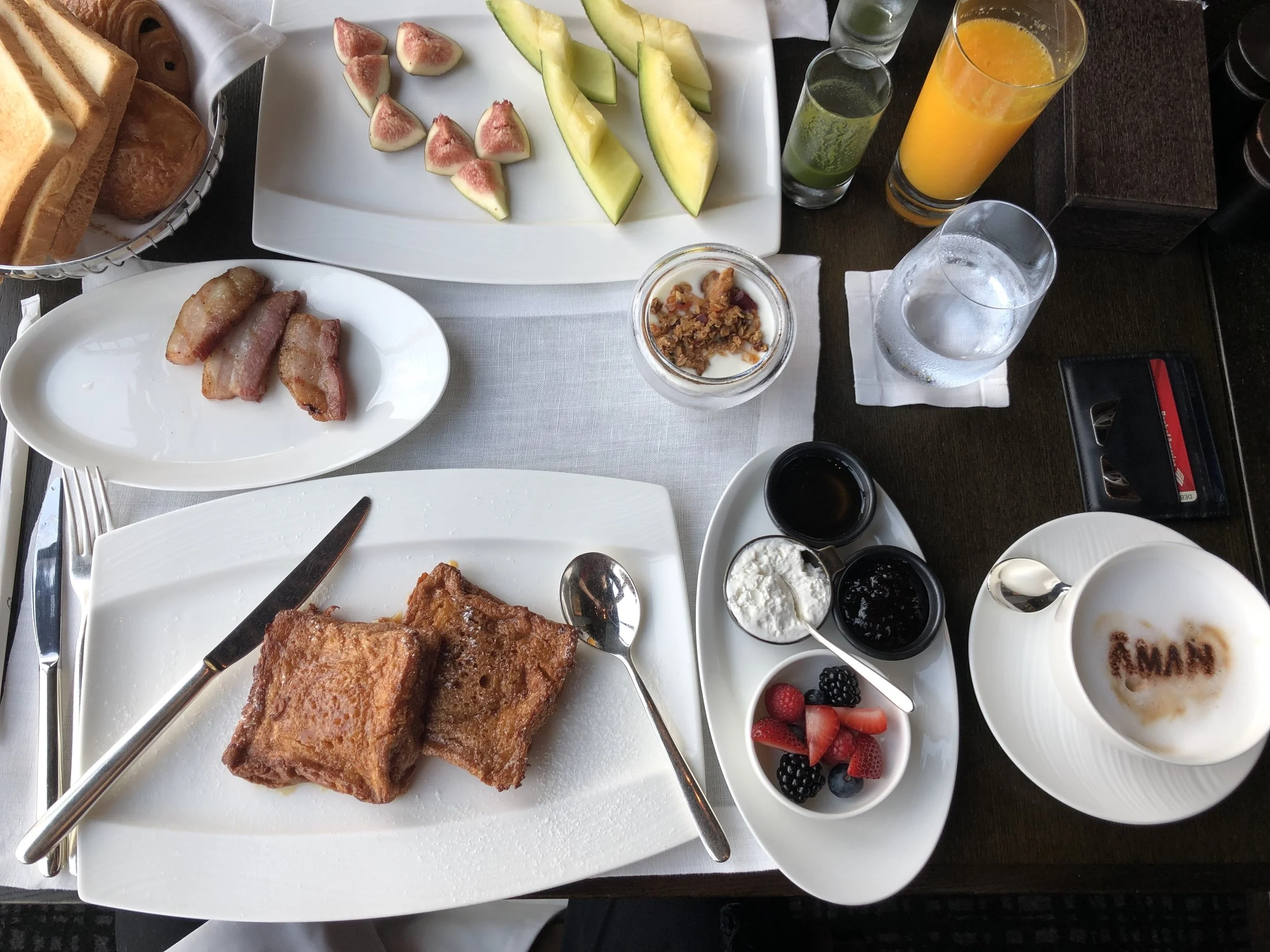
This is not a close comparison. Breakfast at the Aman is a menu you order from. It is fine. It is not notable. At $2,000 a night, fine is a miss.

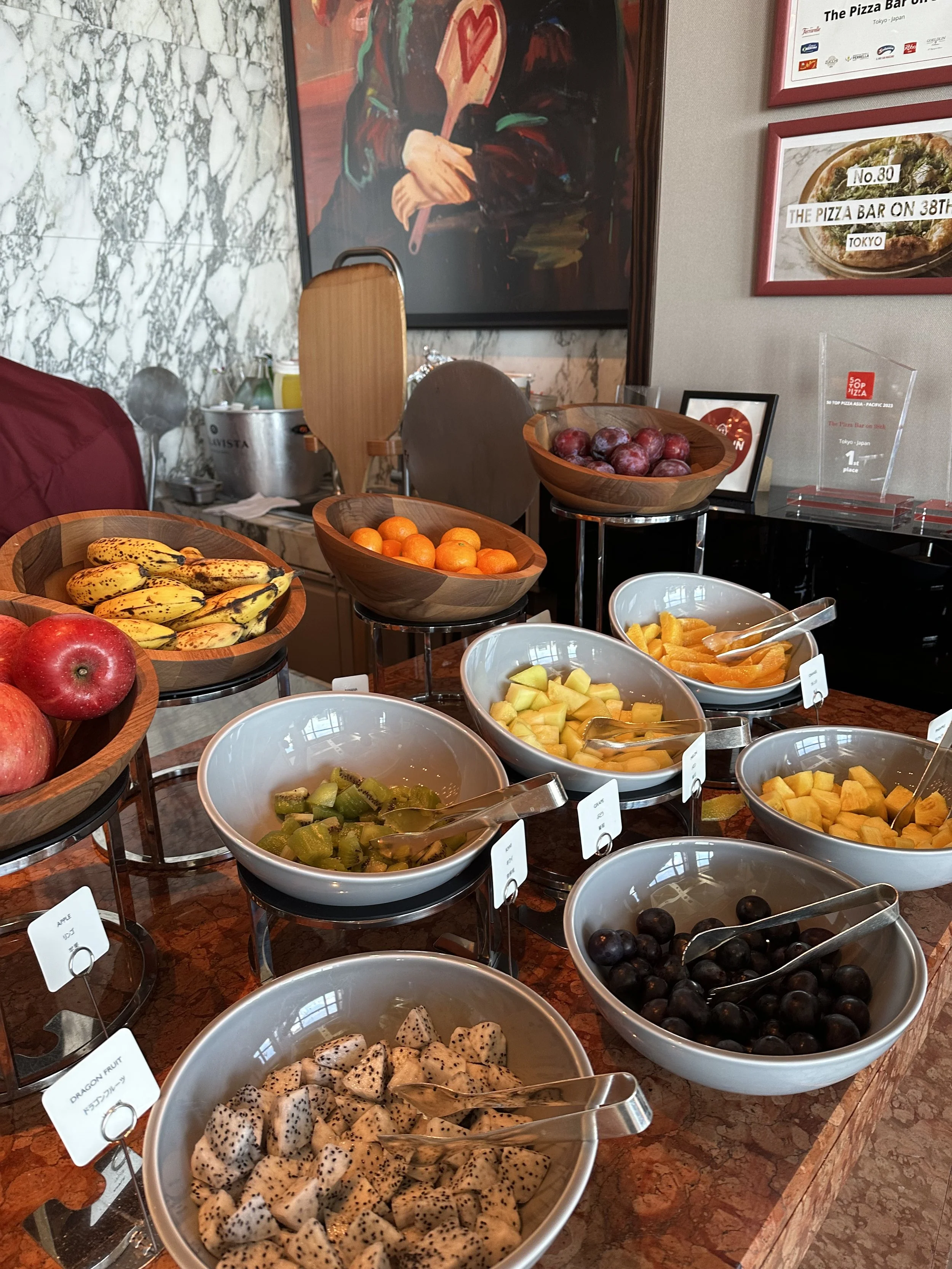
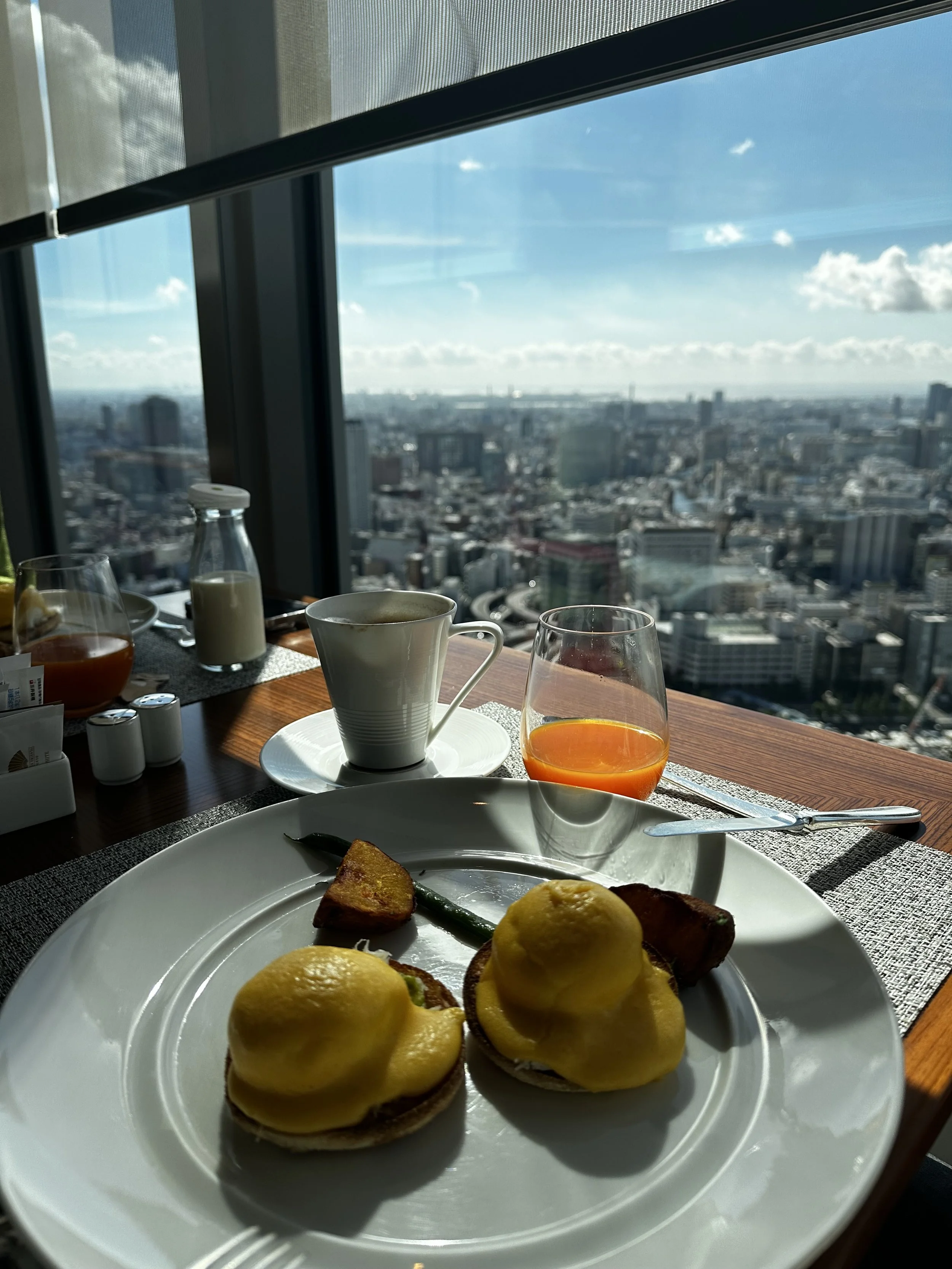
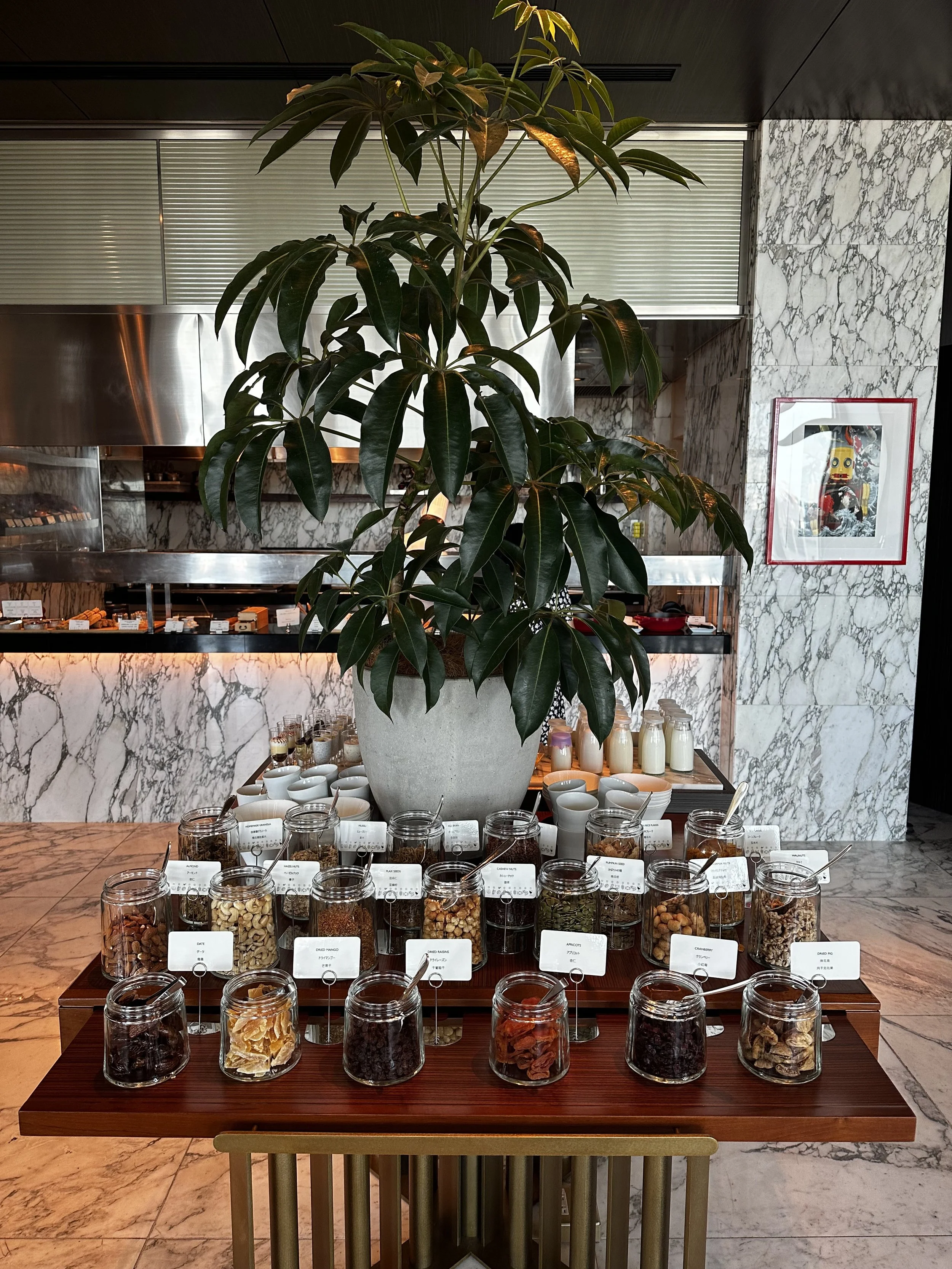
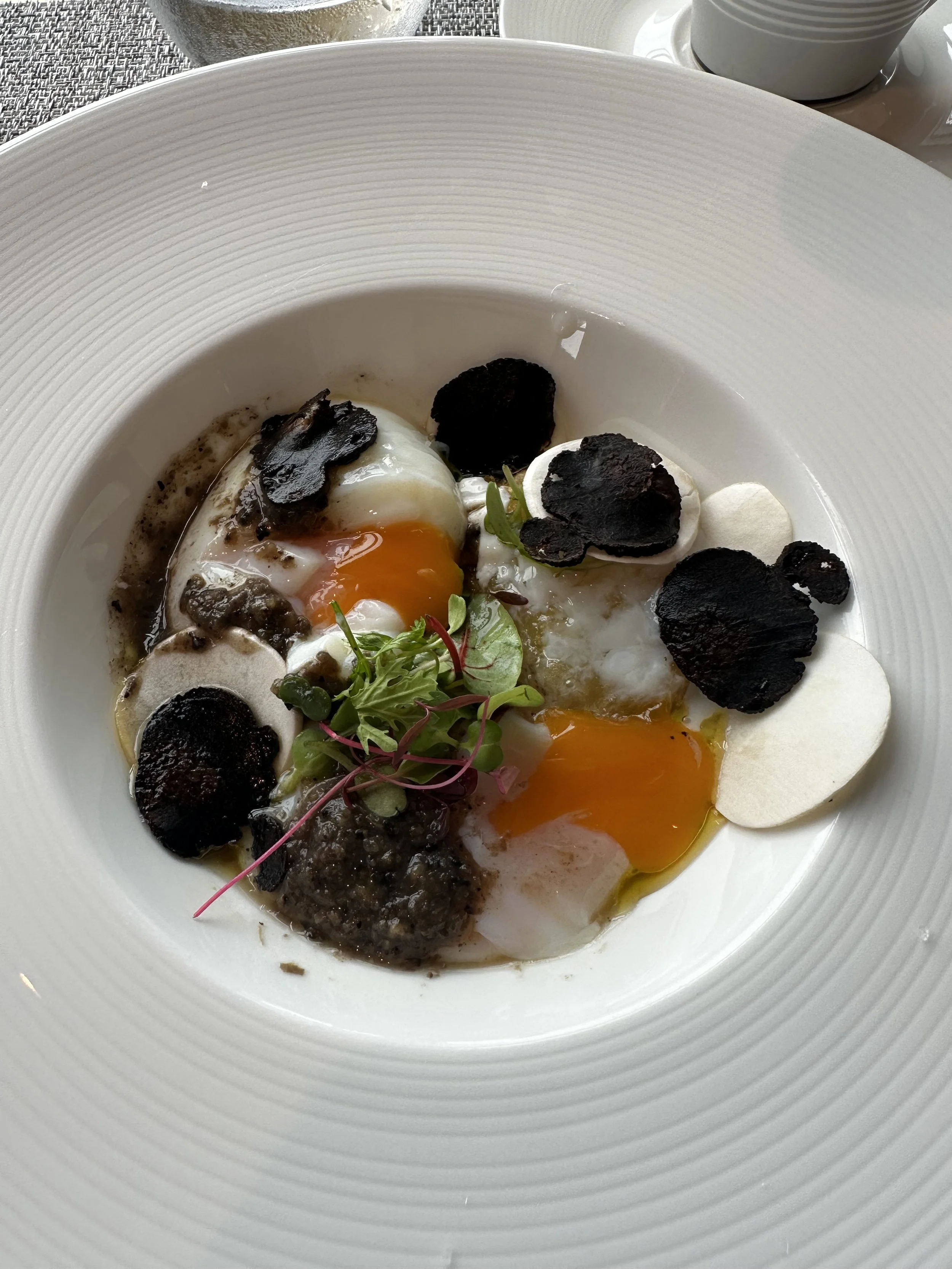
Breakfast at the Mandarin Oriental is a full spread: an extensive selection of fresh fruits, artisan cheeses, yogurts with every topping imaginable, a bakery wall of house-made croissants, bagels, muffins, and pastries — alongside a dedicated Japanese breakfast station with Hokkaido natto, organic onsen egg, miso soup, and soba. You also choose a plated dish from the kitchen: I rotated across stays between eggs Benedict, the truffle egg (with black truffle shavings, mushroom, and a barely-set yolk), and ramen. Prosecco and fresh-pressed juices are included. The whole thing is served with that same attentiveness that runs through every part of this property.

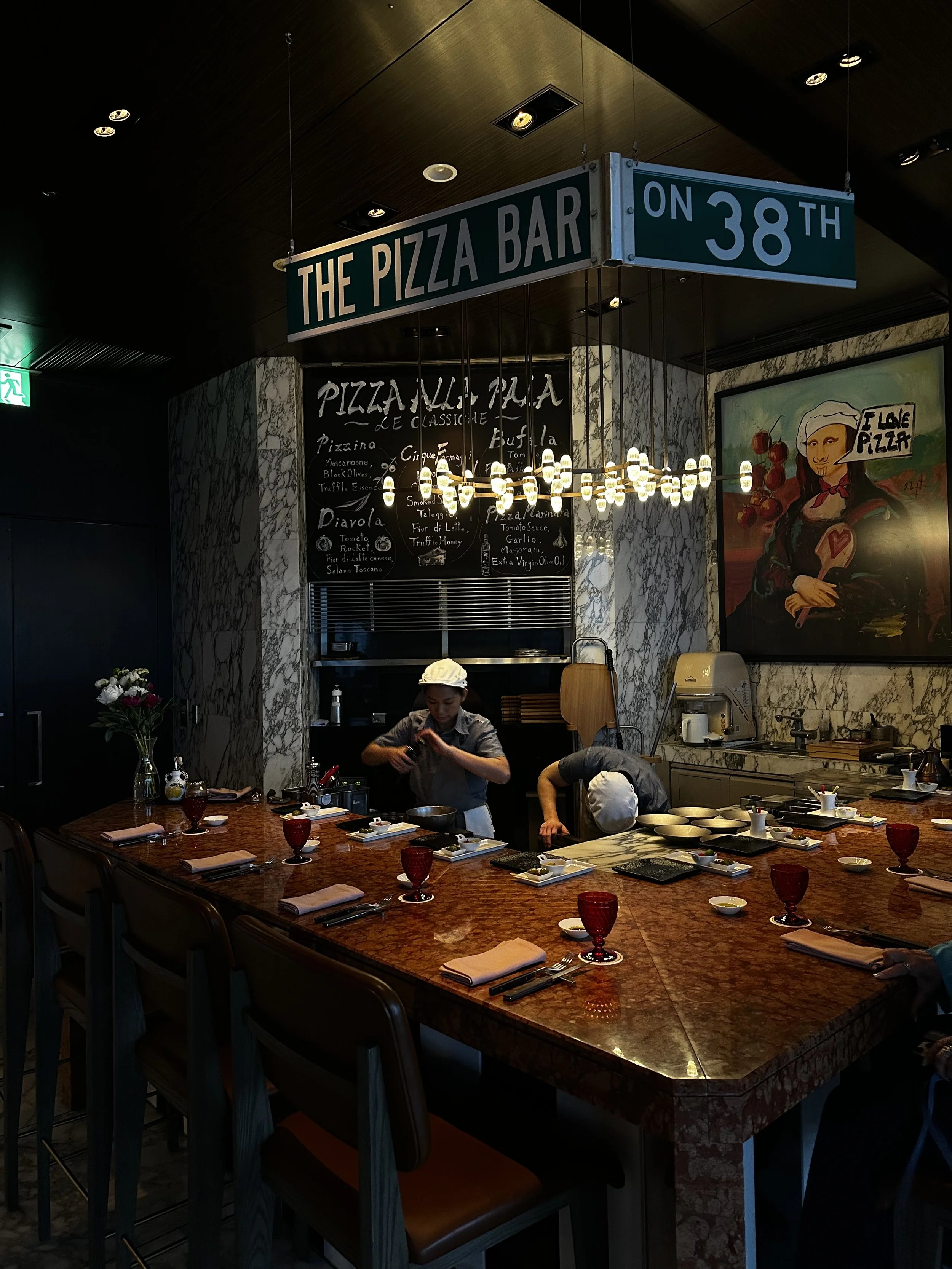
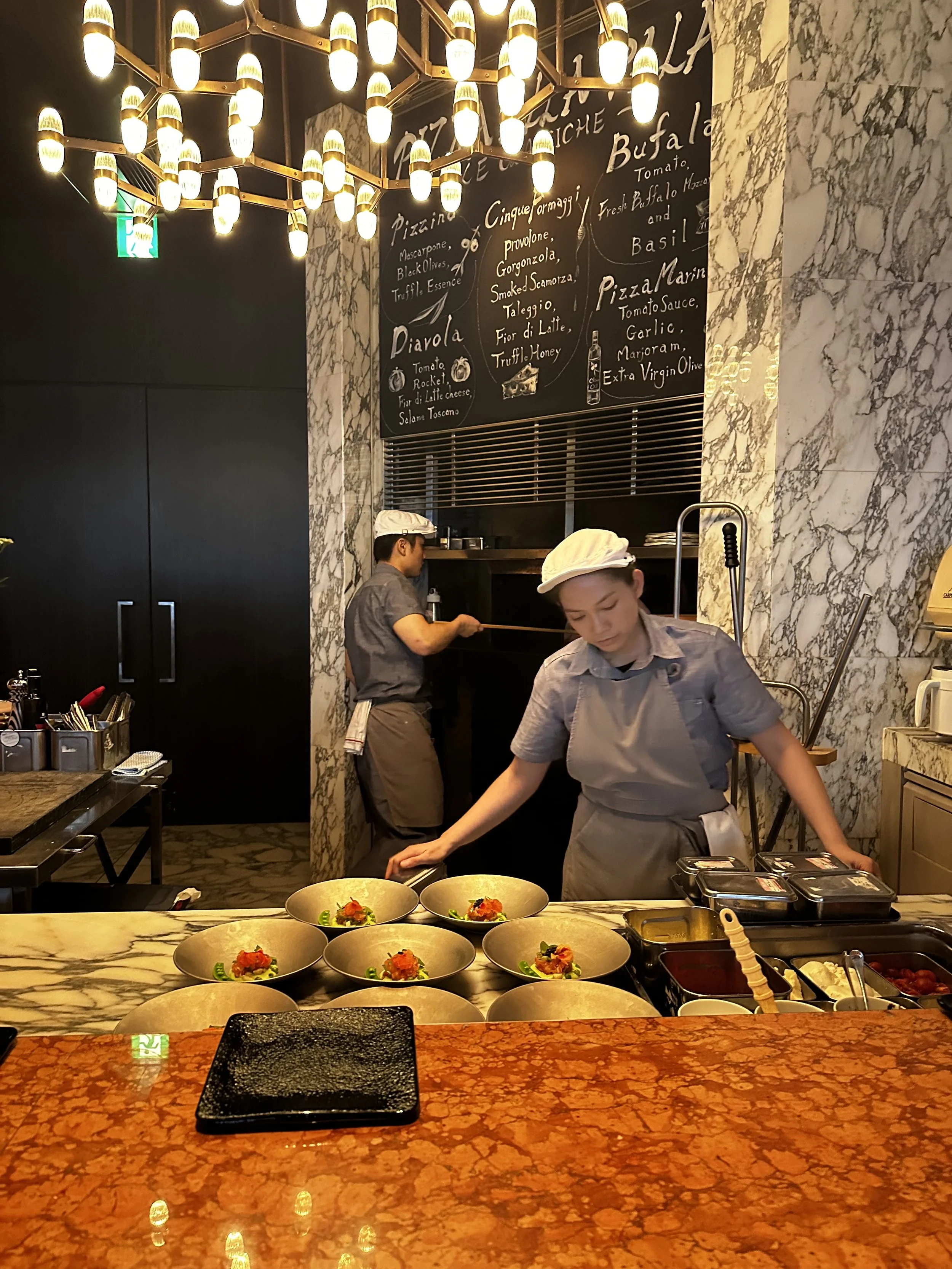
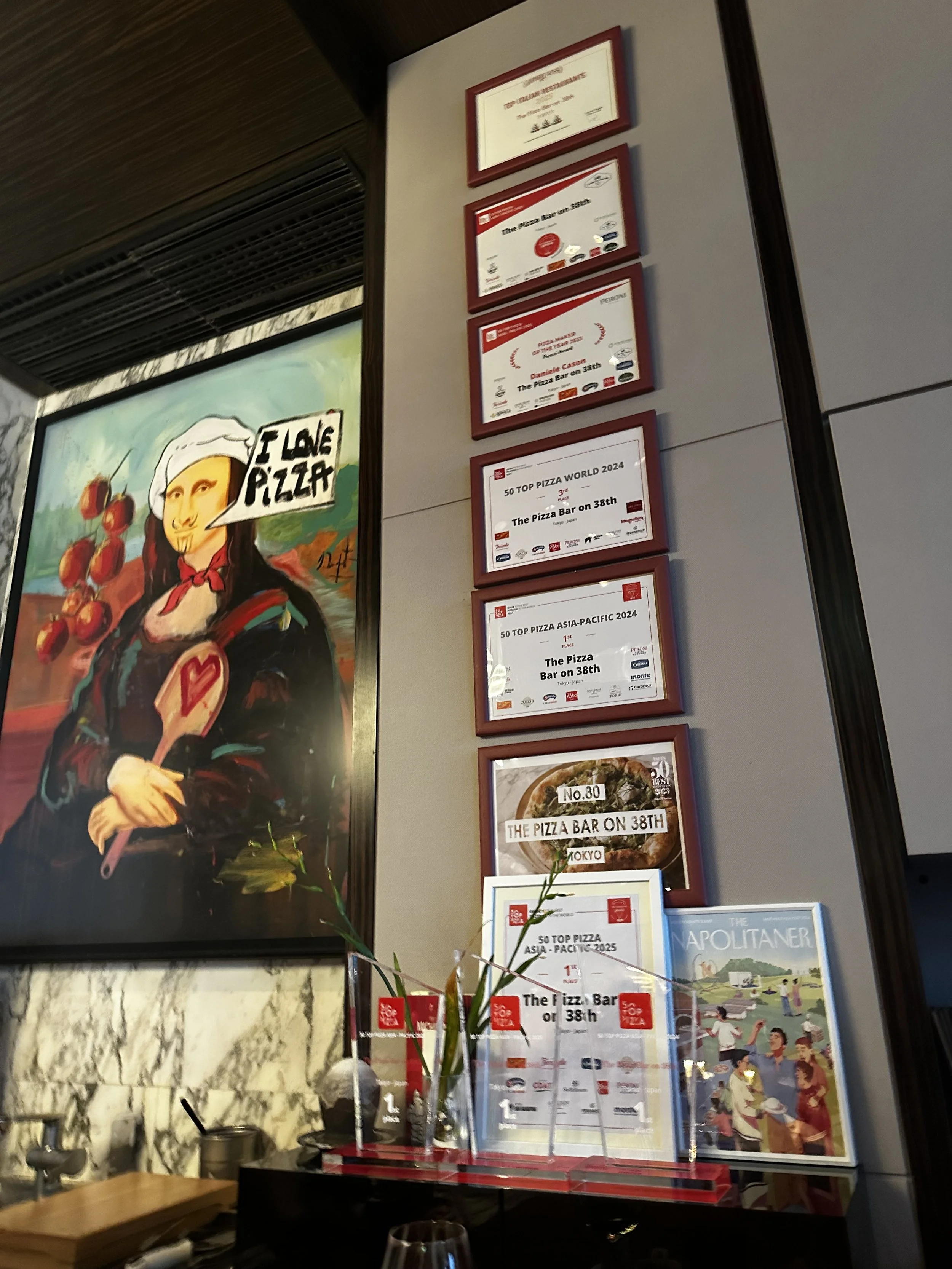
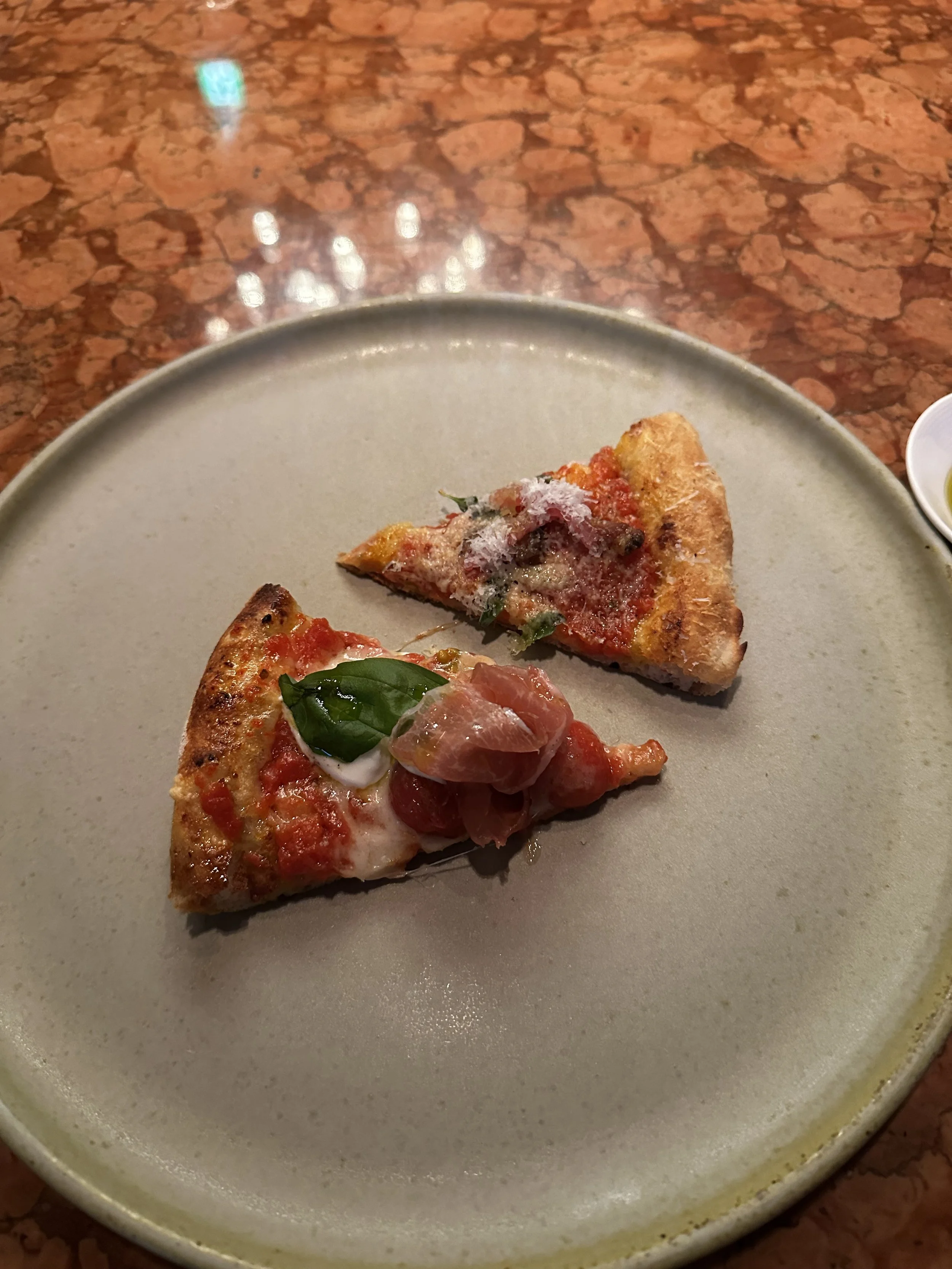
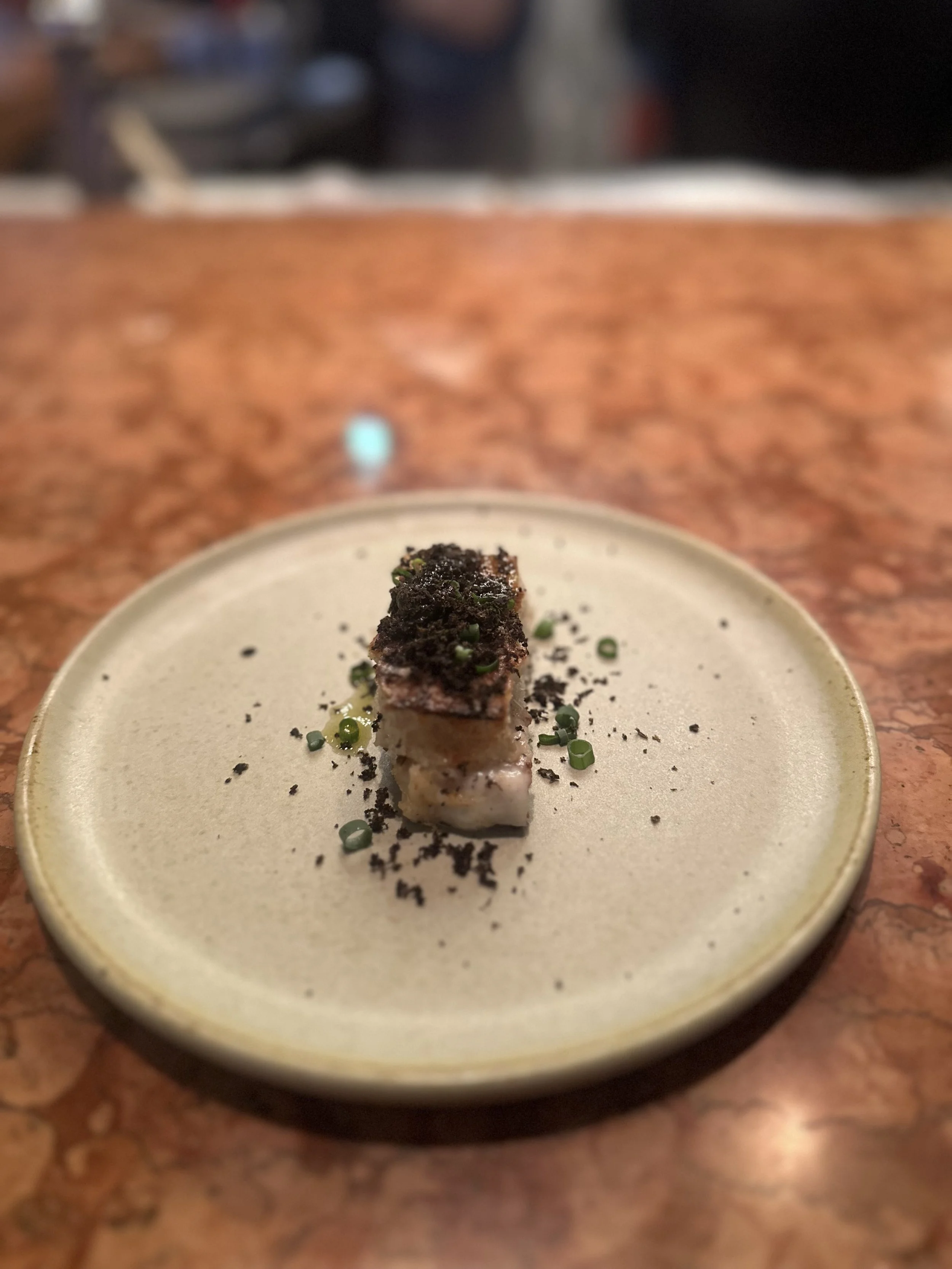
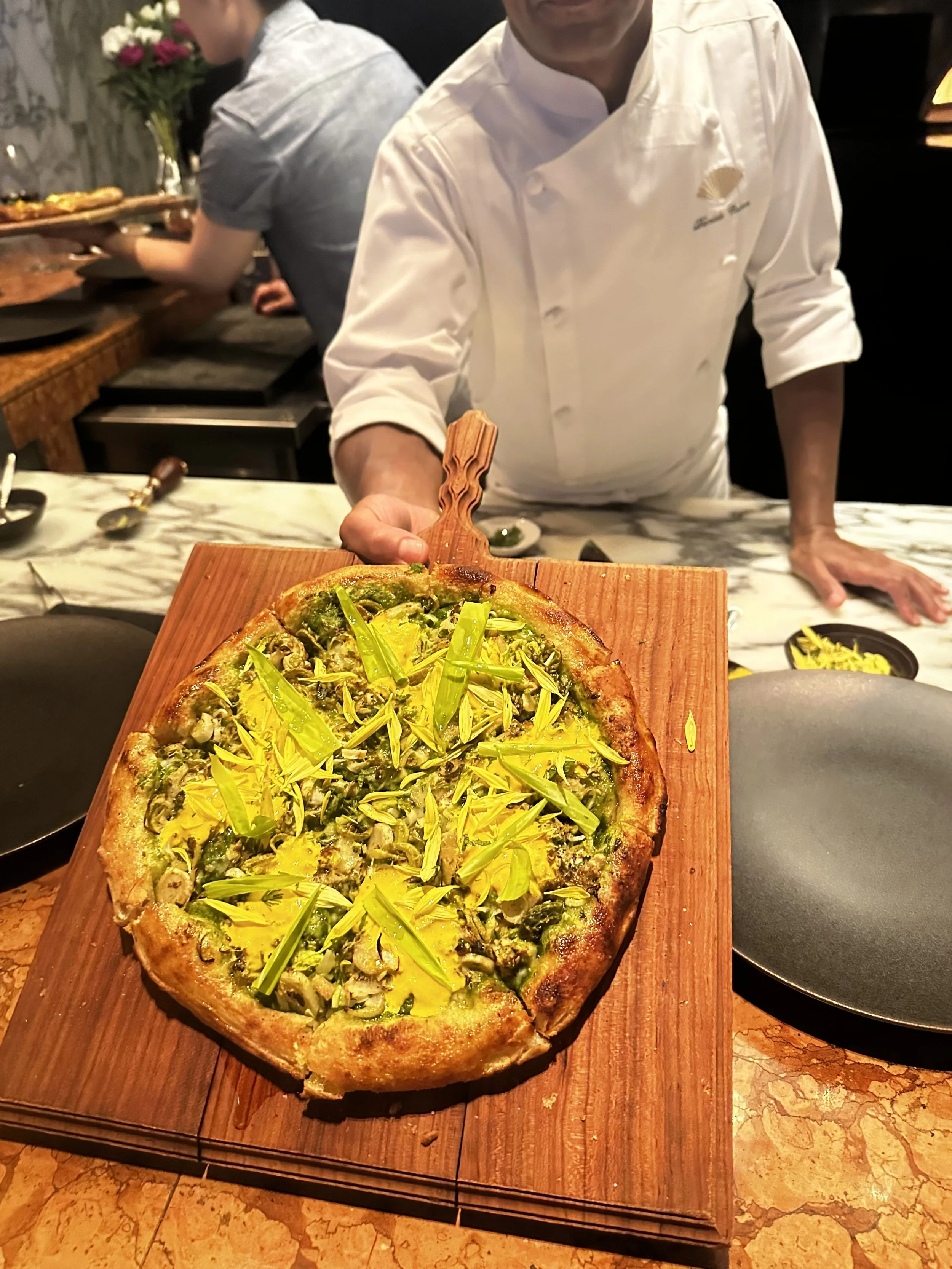
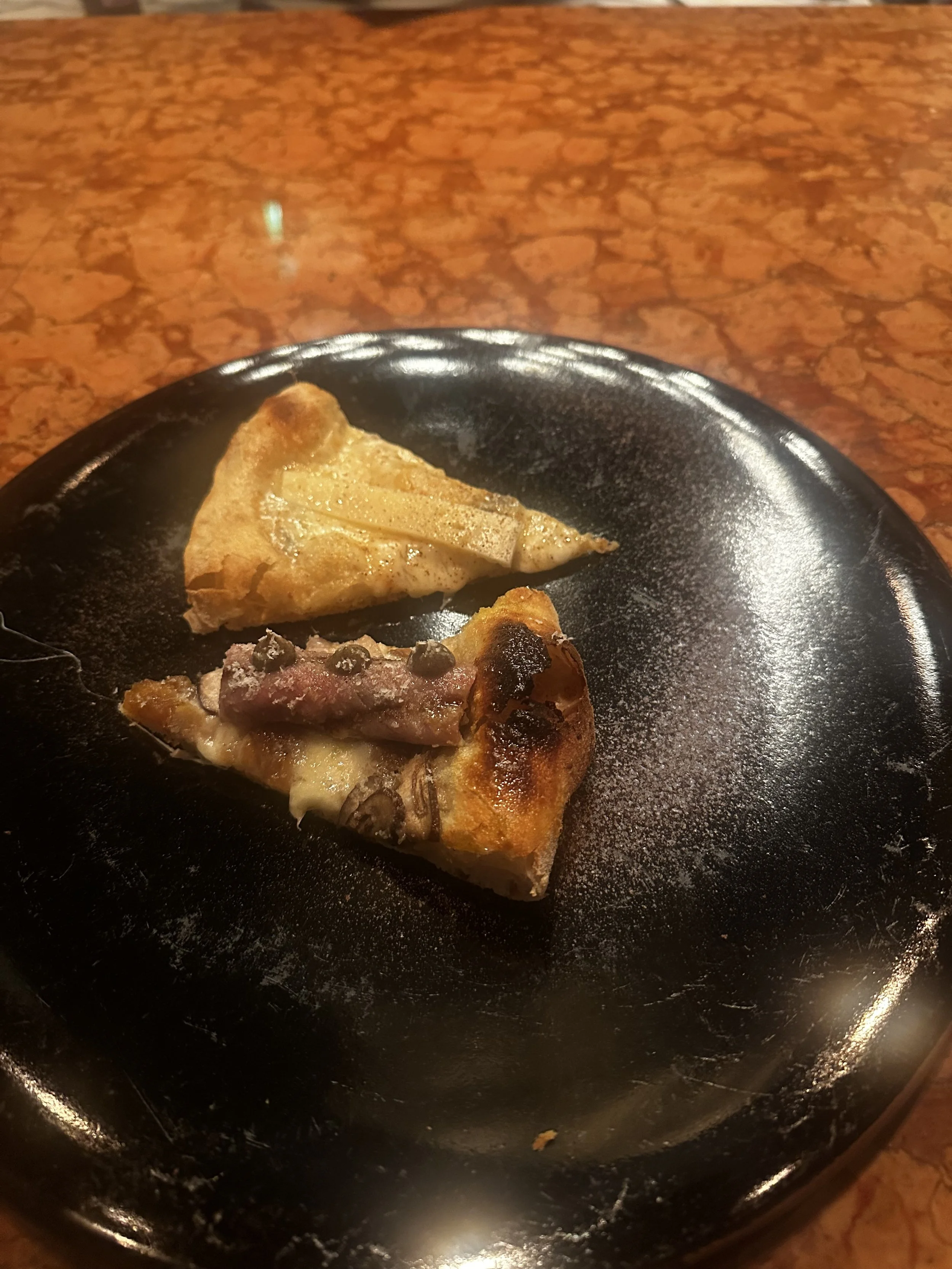
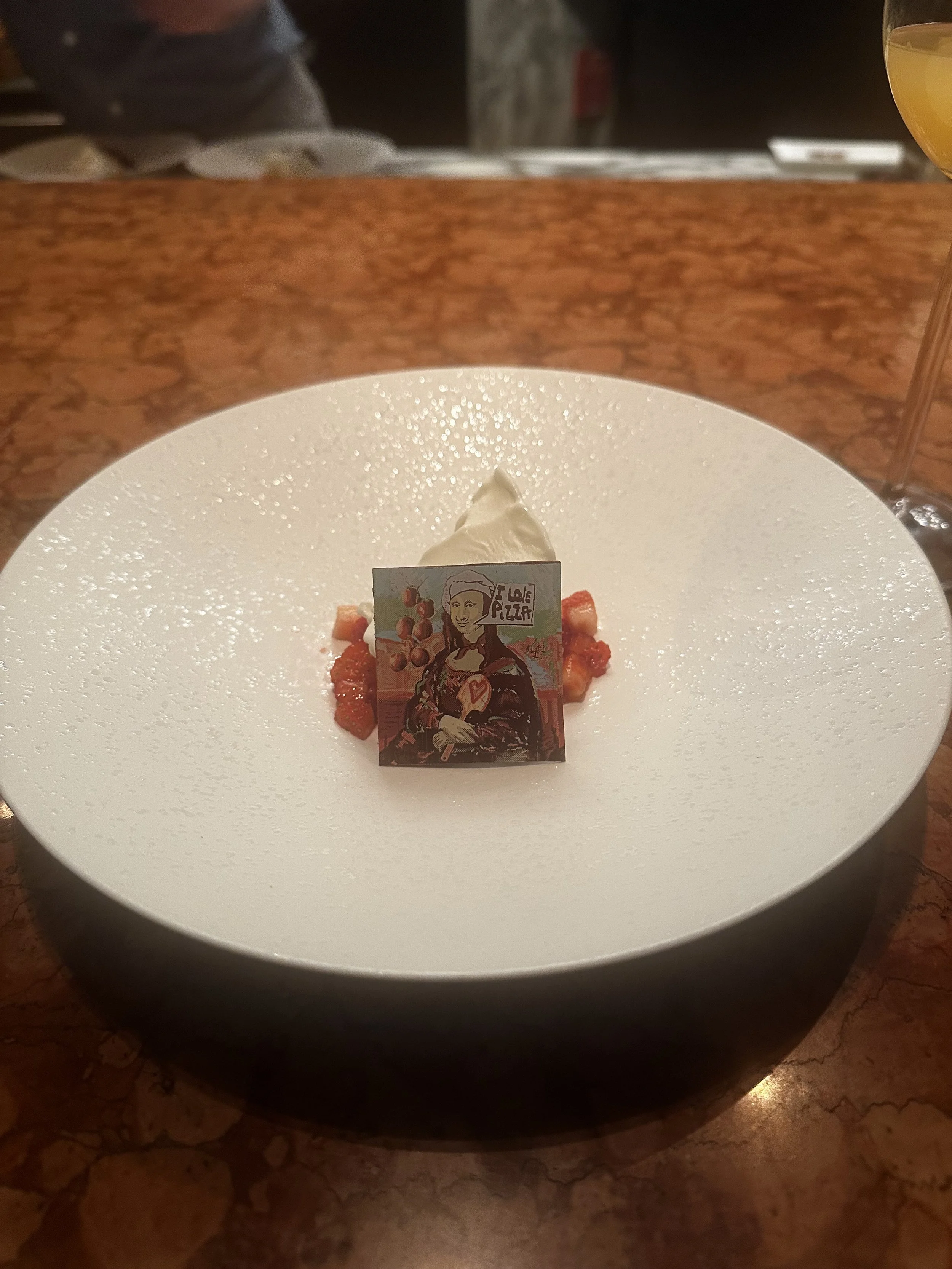
For dinner, the MO houses The Pizza Bar on 38th — a sleek, marble-clad Italian spot with Tokyo Tower in the window and a Michelin-backed kitchen that has no business being this good at a hotel. In September 2023, they were running a pop-up omakase lunch collaboration between their resident chef and TALEA, with a personalized menu printed with my name and date and signed by both chefs. Scallop with caviar and parsley oil. Risotto with oyster. Lamb with black lemon. All of it 38 floors above Tokyo. They also have Tapas Molecular Bar — a theatrical molecular gastronomy experience that requires a reservation well in advance and is genuinely unlike anything else in the city.

VALUE AND PRICE

One hotel is priced for its brand. The other earns every dollar.

The Aman Tokyo runs roughly $2,000 a night. That is not inherently a problem — I have no objection to paying for exceptional experiences. The problem is that at $2,000 a night, the service, the food, and the overall feeling of the stay need to match. They didn't. The room was beautiful. The rest of the stay was a perfectly pleasant five-star hotel experience at a price that assumed something more.

The Mandarin Oriental Tokyo is expensive — but not Aman expensive. Rates run around $600 a night, and with Amex Platinum, you often receive complimentary breakfast and property credits on top of that. Across two stays now, the MO has consistently over-delivered against what it costs. That gap between expectation and reality, running in the right direction, is what repeat guests are made of.

THE VERDICT

I used to default to Four Seasons. The Mandarin Oriental Tokyo changed that. Not because of the room or the views or even the restaurants — because of the way the people who work there made us feel. That handwritten welcome note. The moon cake. The staff member who pointed at the full moon. Luxury hotels charge for an environment. The great ones charge for a feeling.

The MO delivers that feeling every single time.

The MO changed hotels for us. I used to default to Four Seasons. Now I default to Mandarin Oriental.
Previous
Previous

Amex, Chase, Capital One. What's the difference?

Next
Next

Thailand. Hong Kong. Singapore. Here's exactly what it cost.